
Preparing for Your Deposition: What Physicians Should Expect

For many physicians involved in medical malpractice litigation, the deposition is the point when the case begins to feel much more immediate. Until then, you may have spent months, or longer, knowing that a lawsuit exists while your attorneys handled much of the activity surrounding it. At a deposition, the focus shifts to you. You will be asked about your training, your practice, the patient's care, your medical judgment, and your recollection of the events at issue.
It is natural to approach that experience with some apprehension, particularly if you have never given sworn testimony before. Understanding the purpose of a deposition and knowing what to expect when the day arrives can make the process far more manageable.
First, What Is a Deposition?

A deposition is sworn testimony given outside the courtroom as part of the discovery process. Attorneys for the parties have an opportunity to ask questions, and a court reporter creates a transcript of the testimony. Depending on the circumstances of the case, attorneys representing additional parties may participate as well.
Unlike a trial, there is no jury and no judge presiding over the proceeding. The purpose is to gather information and preserve testimony that becomes part of the record. What is said during a deposition can affect the direction of the case, which is why careful preparation and thoughtful testimony are so important.
Preparation Is More Than Reviewing the Chart

Before your deposition, your attorney will spend time preparing with you. Reviewing the relevant medical records and refreshing your recollection of the care at issue will be an important part of that process, but effective preparation extends well beyond the chart.
You should have a clear understanding of the allegations being made, the areas opposing counsel is likely to explore, and the best way to approach questions carefully and accurately. Your attorney may also review your education, training, professional experience, customary practices, prior testimony, and other subjects that could arise during questioning.
The purpose of preparation is not to script or rehearse your answers. It is to make the process familiar enough that you can concentrate on the questions being asked and provide truthful, precise testimony without being distracted by an unfamiliar legal setting.
Listen to the Question That Was Actually Asked

Physicians spend their careers gathering and interpreting information. When a patient provides an incomplete history, the natural response is to ask the next question. When a symptom suggests several possibilities, the physician begins working through the differential. That instinct to analyze, explain, and fill in missing information is essential in medicine, but during a deposition, it can sometimes lead a witness to provide more information than the question requires.
Listen carefully and allow the attorney to finish the question before you begin your response. Make sure you understand exactly what is being asked, and if a question is unclear, say so rather than trying to determine what the attorney intended.
There may also be questions for which the truthful answer is that you do not know or do not remember. That is entirely different from guessing or attempting to reconstruct something you cannot independently recall. A deposition is not a test of how much information you can produce from memory; your testimony should reflect what you actually know and remember.
Accuracy Matters More Than Speed

Pauses can feel uncomfortable during questioning, particularly for physicians who are accustomed to making decisions and communicating efficiently. There is no requirement, however, that a deposition answer be immediate. Taking a moment to consider a question before responding gives you time to make sure you heard it correctly, understand what is being asked, and can provide an accurate answer.
The same approach applies when you are asked about a particular medical record or chart entry. Rather than relying on your memory of what the record says, take the time to read the relevant entry before answering. Precision matters far more than speed.
You Don’t Have to Advocate for Yourself

A malpractice allegation can feel deeply personal, particularly when it calls a physician's competence, judgment, or integrity into question. It is understandable that a physician may feel compelled to defend every decision or correct every implication immediately.
A deposition, however, is one part of a much larger legal process. Your role during the deposition is to answer the questions put to you truthfully and accurately. Your attorney is there to protect your interests, address improper questions when appropriate, develop the defense strategy, and evaluate your testimony within the broader context of the case.
Keeping those roles distinct can relieve some of the pressure physicians place on themselves during testimony. You are there to provide accurate testimony about what you know, what you did, and what you remember. You are not expected to serve as your own advocate or attorney.
The Value of Being Prepared
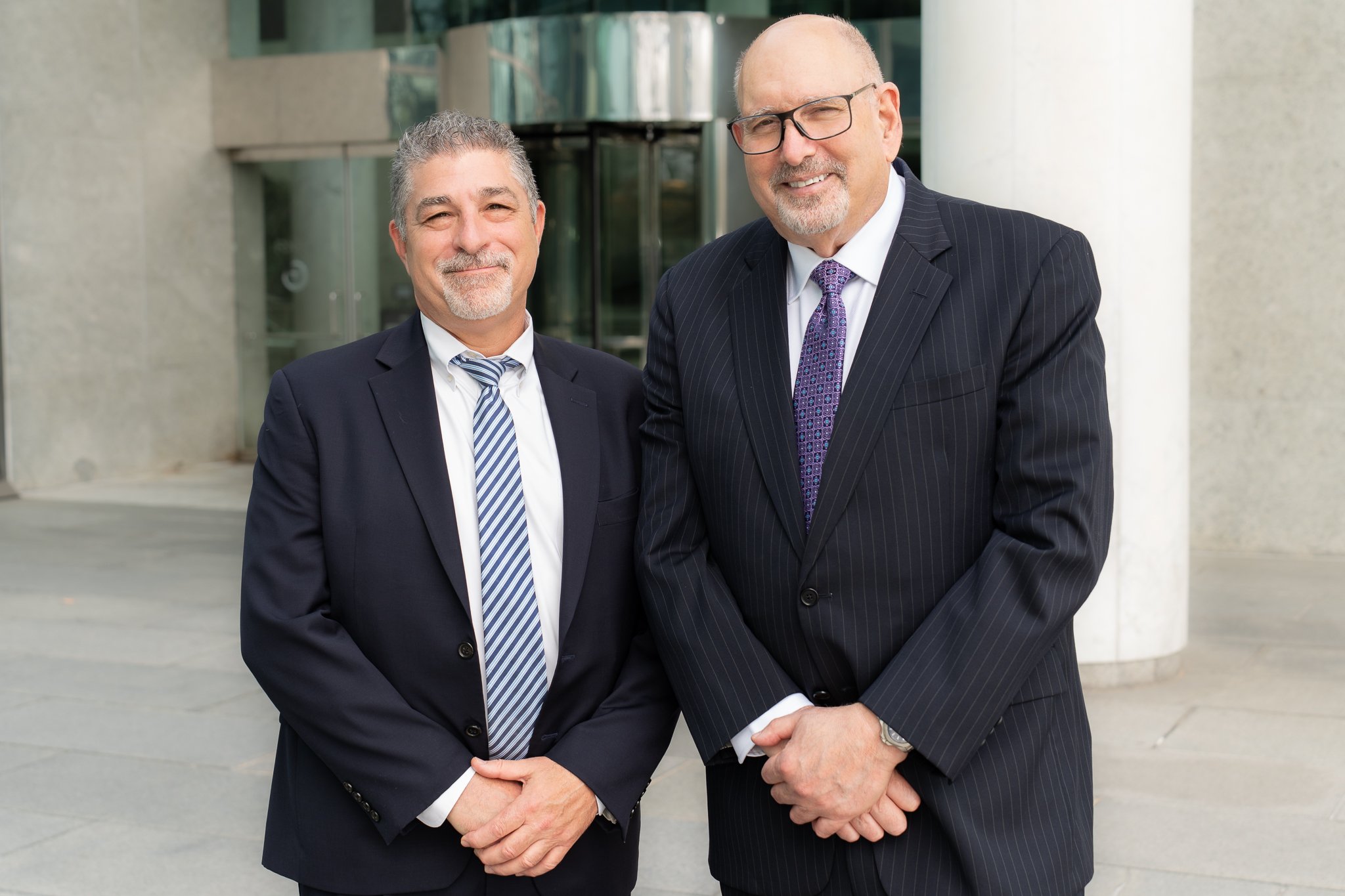
The physicians Kutner, Corrado & Friedrich represent are accustomed to being the experts in the room. Litigation places them in a very different environment, one governed by terminology, procedures, and expectations that belong to another profession. Thorough preparation helps make that environment less unfamiliar.
Experienced medical malpractice defense counsel can explain how the deposition will proceed, identify the issues likely to receive attention, work through difficult areas of questioning, and help a physician understand his or her role in the process before testimony begins.
At Kutner, Corrado & Friedrich, deposition preparation is not about rehearsing testimony or telling a physician what to say. It is about making sure our clients understand the process, have had the opportunity to thoroughly review the issues involved in the case, and are prepared to give clear, careful, and truthful testimony when the day arrives.
If you are preparing for a deposition or have questions about what to expect during medical malpractice litigation, Kutner, Corrado & Friedrich is available to provide experienced guidance throughout the process.
Disclaimer: The KCF News Room provides general information regarding medical malpractice litigation and related issues. It is not intended as legal advice for any particular matter.